‘Ah, brig, good-night
To crew and you;
The ocean’s heart too smooth, too blue, To break for you.’
— Emily Dickinson, The Shipwreck
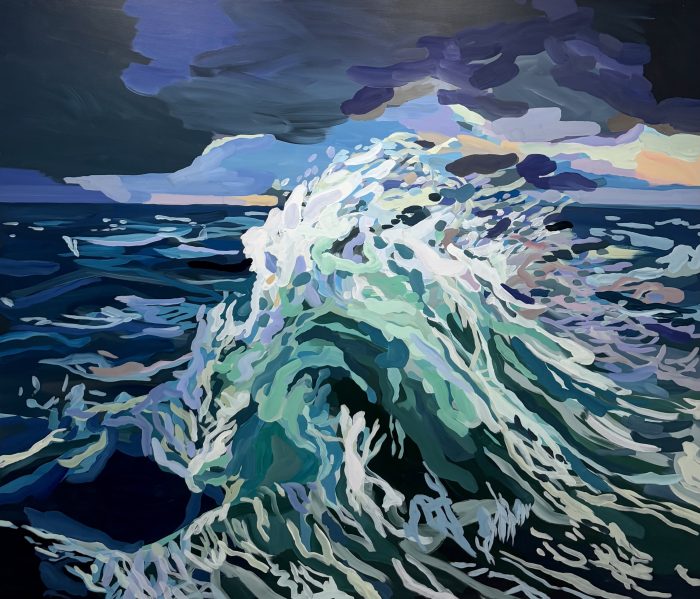
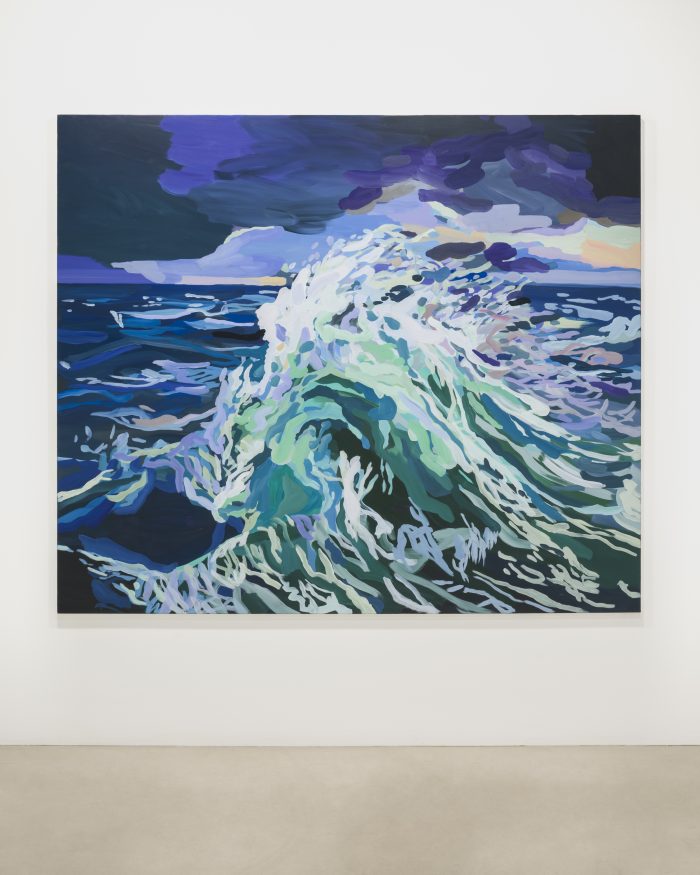
Life is marked by trials and sudden upheavals. the shoals on which, as Dickinson suggests, we are occasionally wrecked.
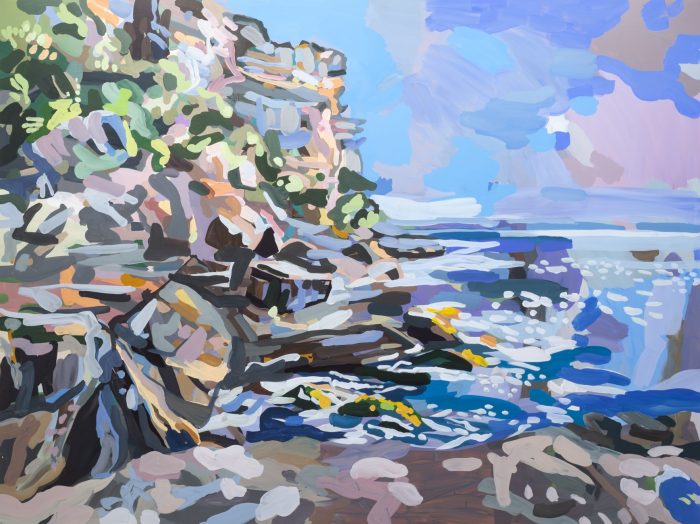
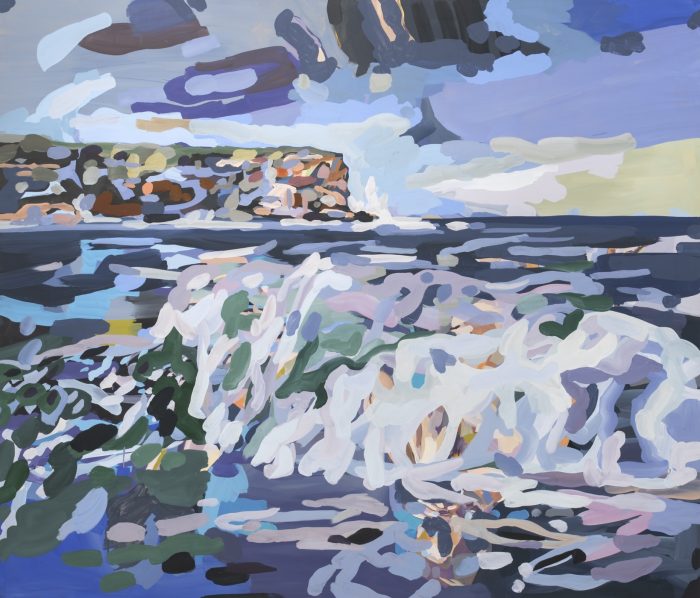
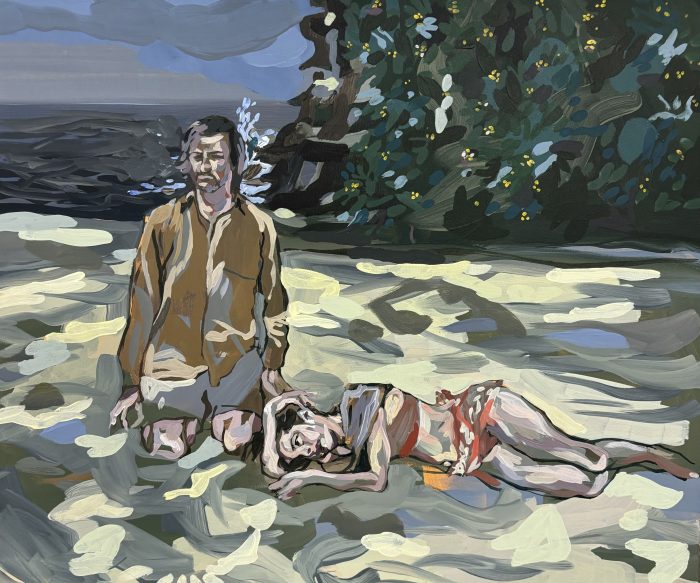
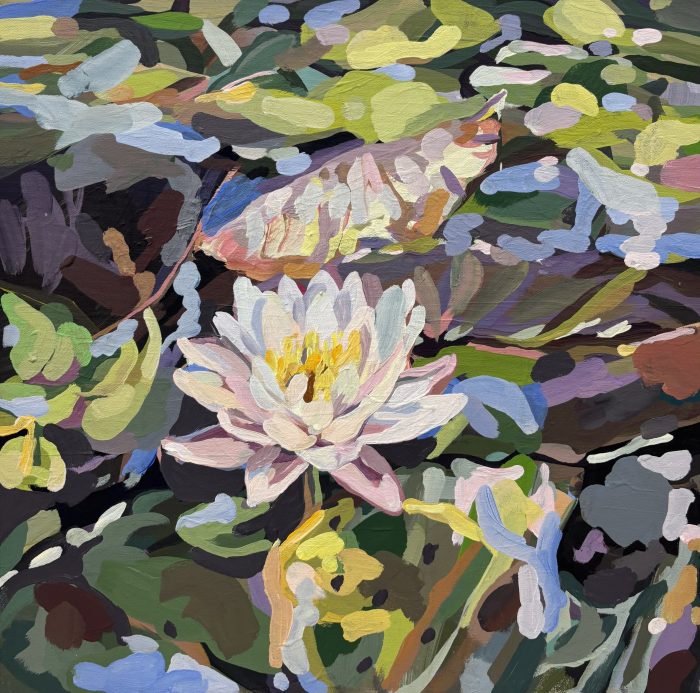
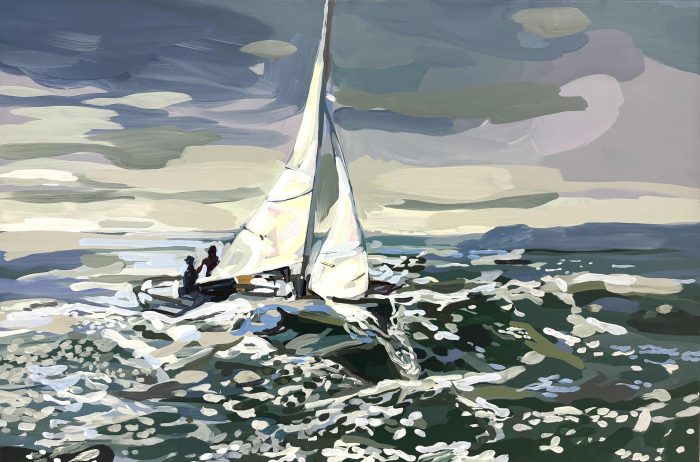
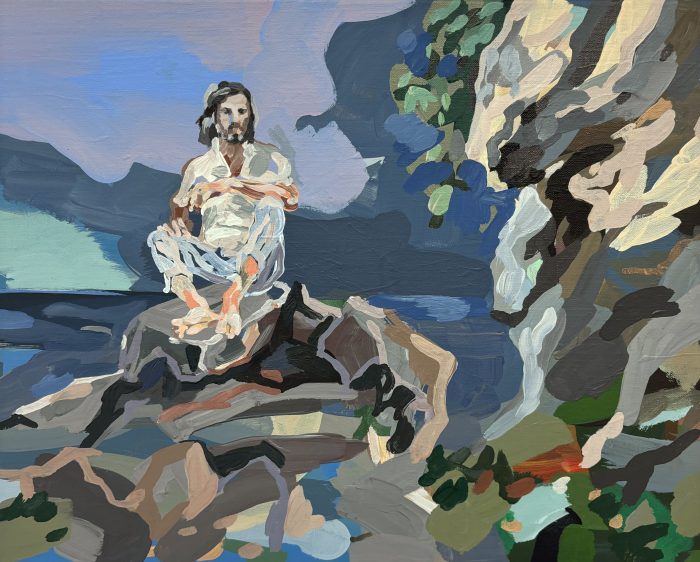
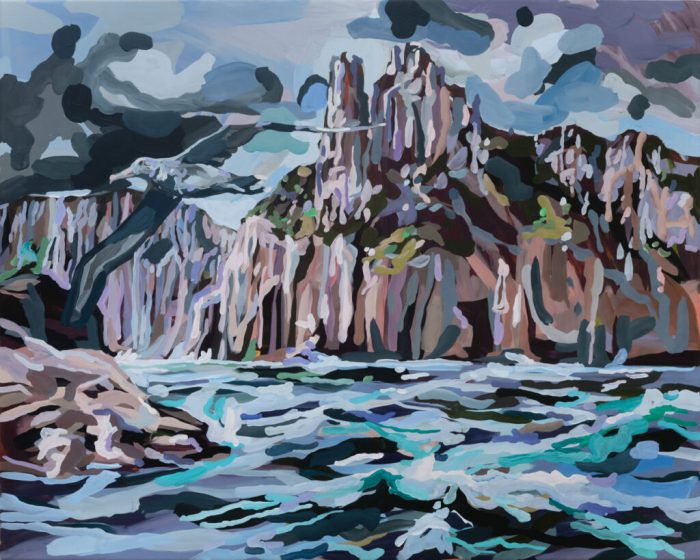
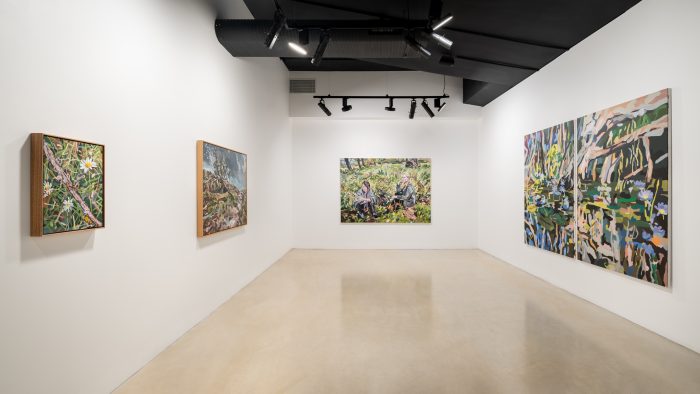
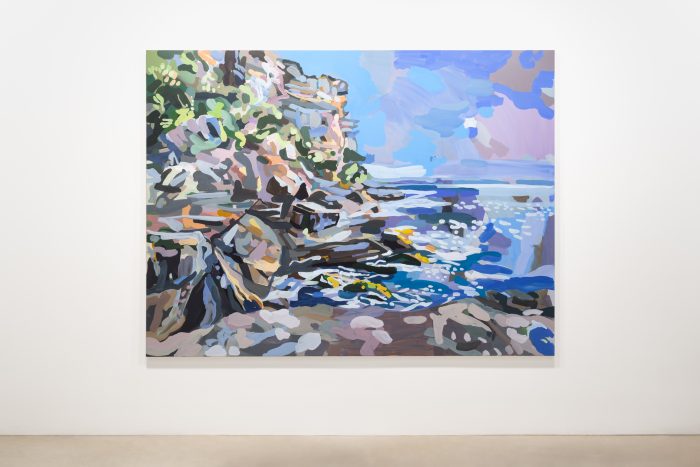
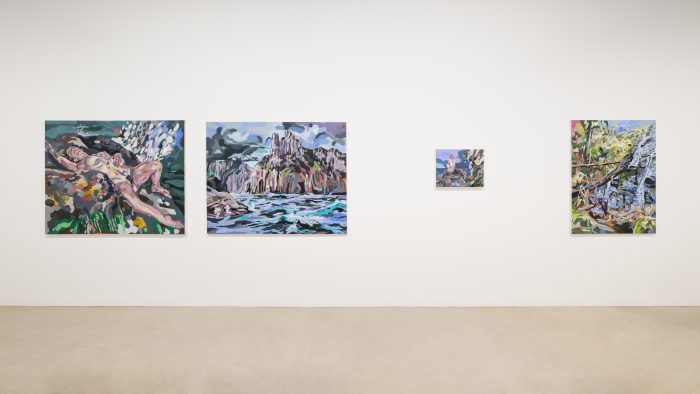
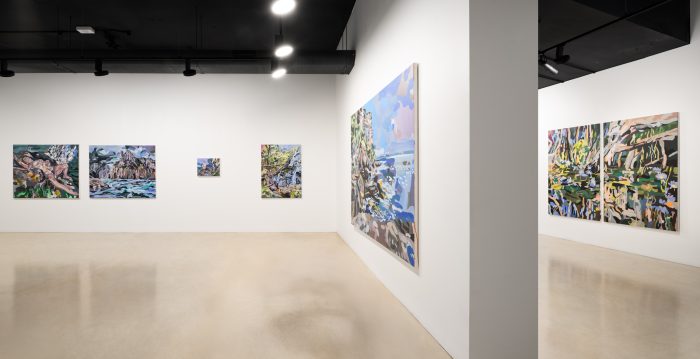
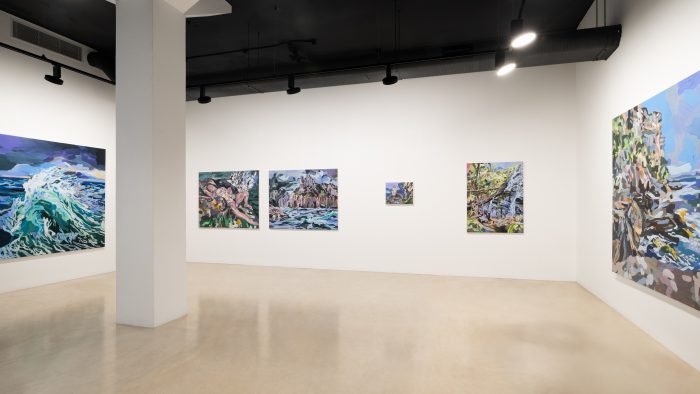
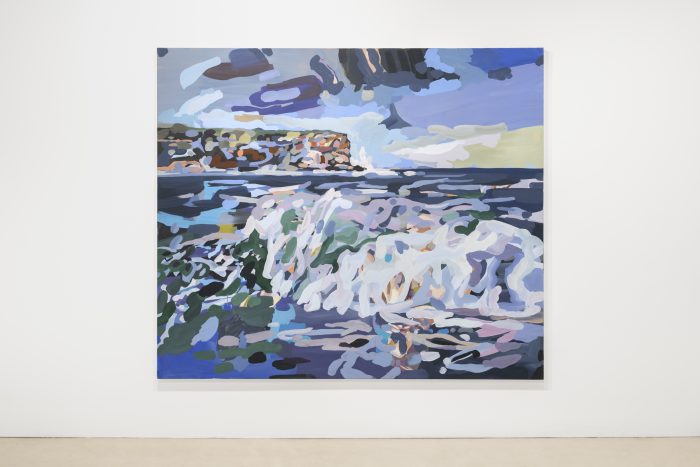
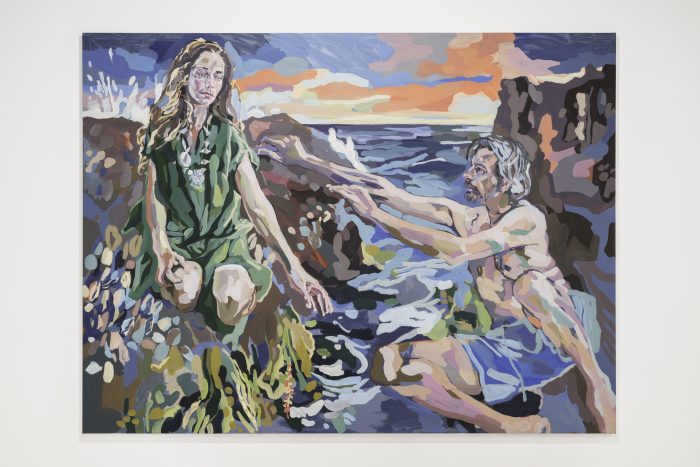
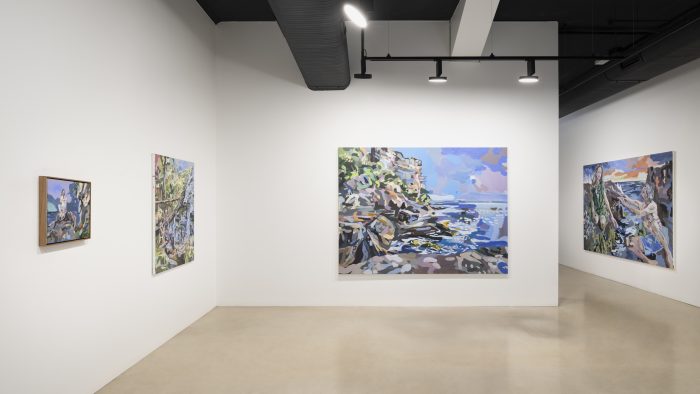
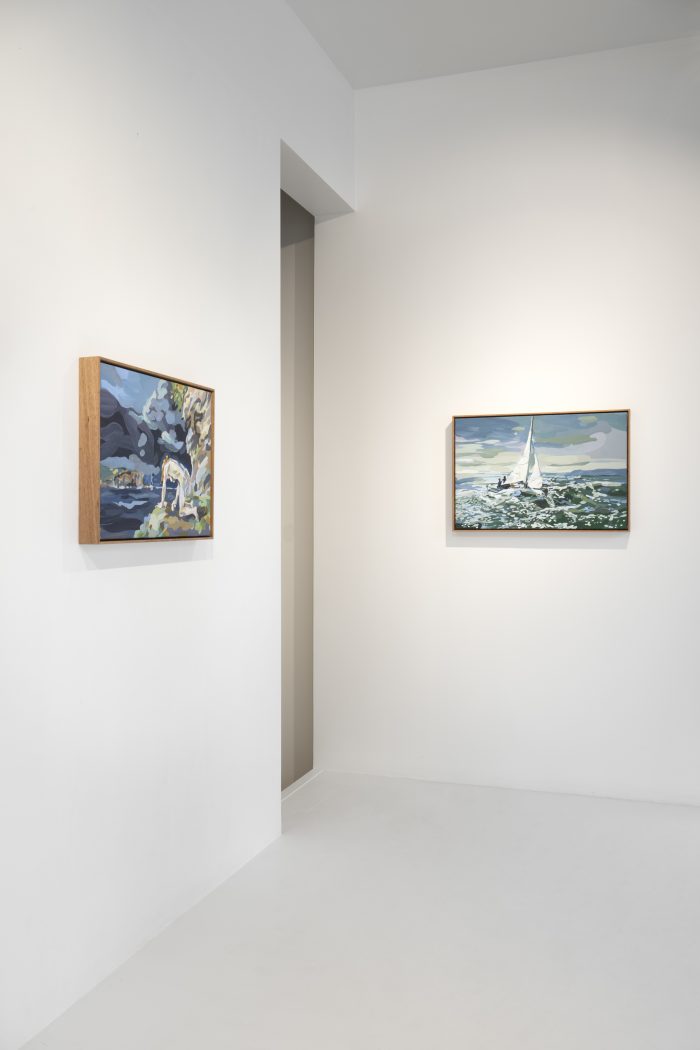
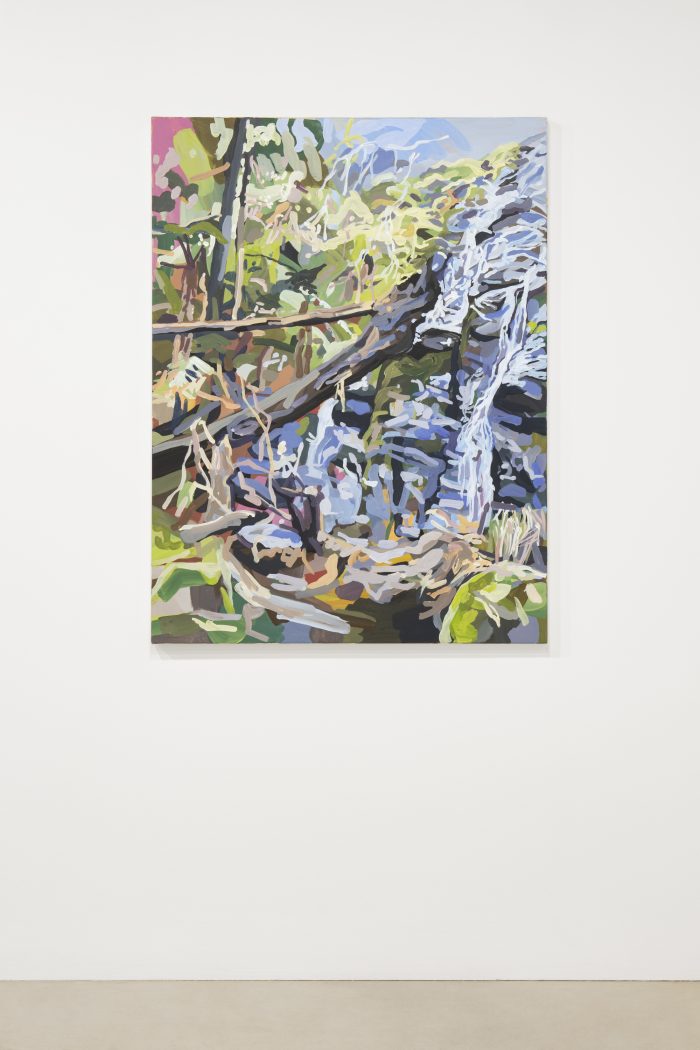
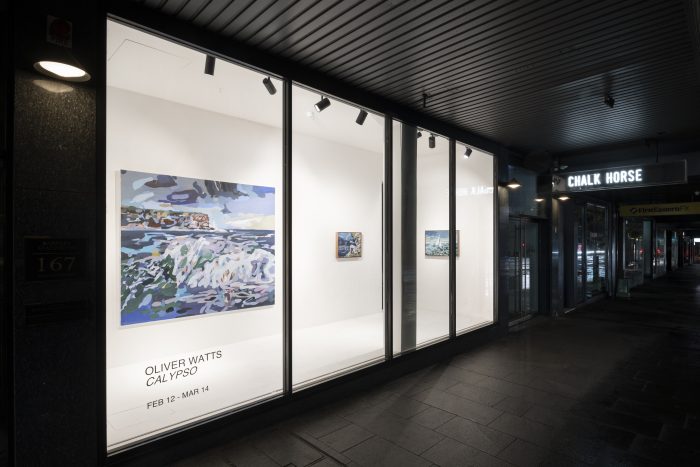
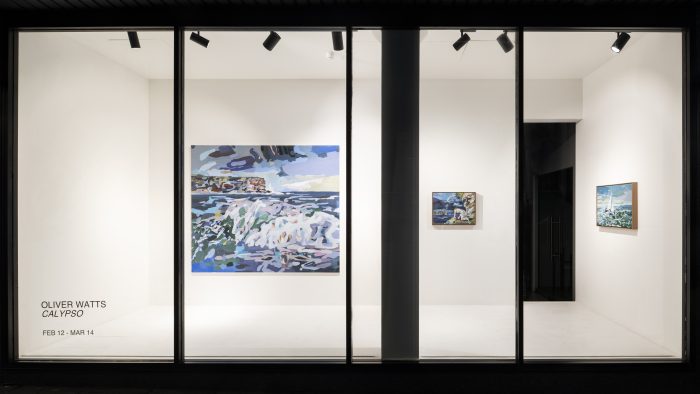
Calypso extends Watts’ ongoing engagement with the maritime genre. From rescued shipwrecked sailors to Sydney Rock Oysters, he finds poetry in the everyday and the mythic in equal measure. North Head looms over the unfolding drama, as Sydney Harbour is recast in original ways.
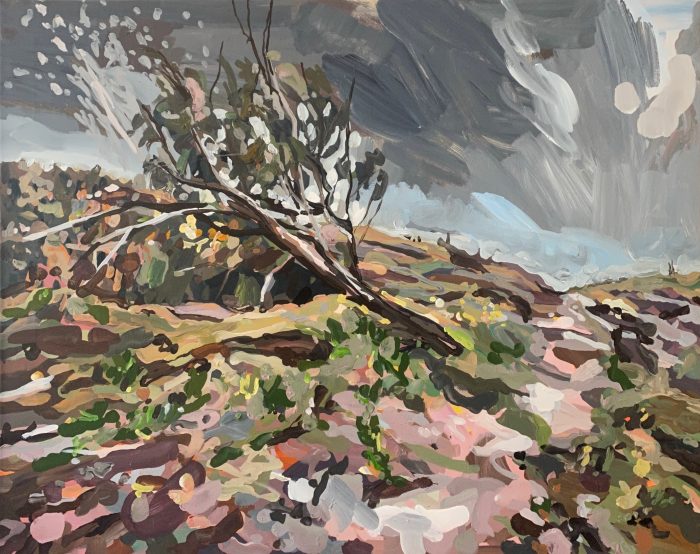
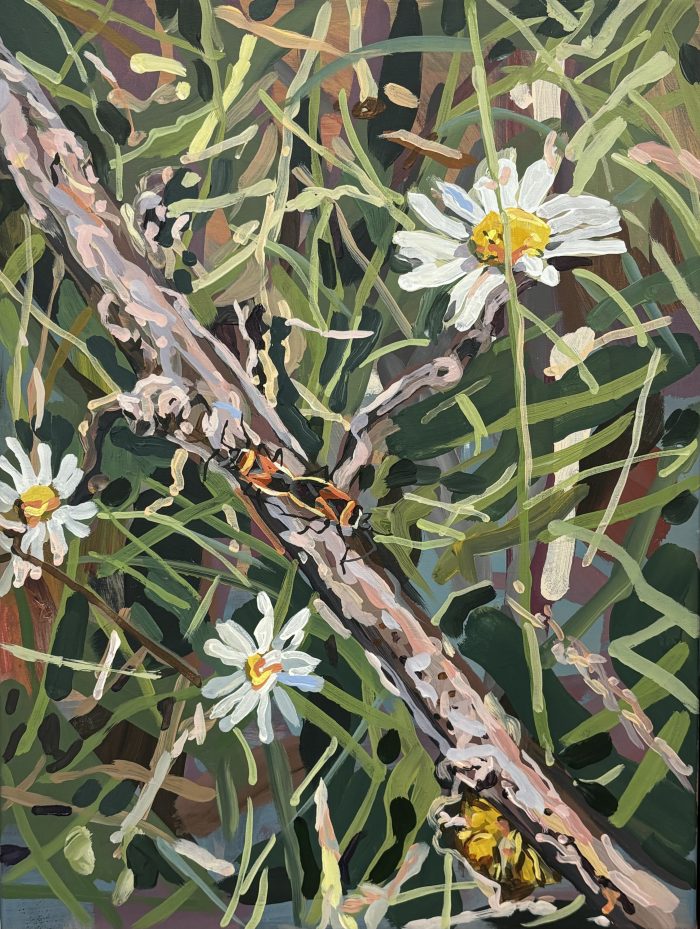
At the heart of this exhibition is an exploration of the sublime, specifically an Australian sublime or Australian gothic. In the past, Sydney was more attuned to the power of the sea, the shipwreck functioning as both metaphor and reality. There is darkness hidden in the depths of the harbour or the wombat hole.
The Australian landscape is haunted by many things, from the postcolonial past and tragic founding myths to strangeness of the land (especially in a European landscape context). The drowning, the shark attack, the snake bite and the wombat literally undermining the land are always a constant in the Australian imaginary. Perhaps more than many nations Australians confront these provocations as an everyday act. Our history and our landscape are a constant presence in our lives.
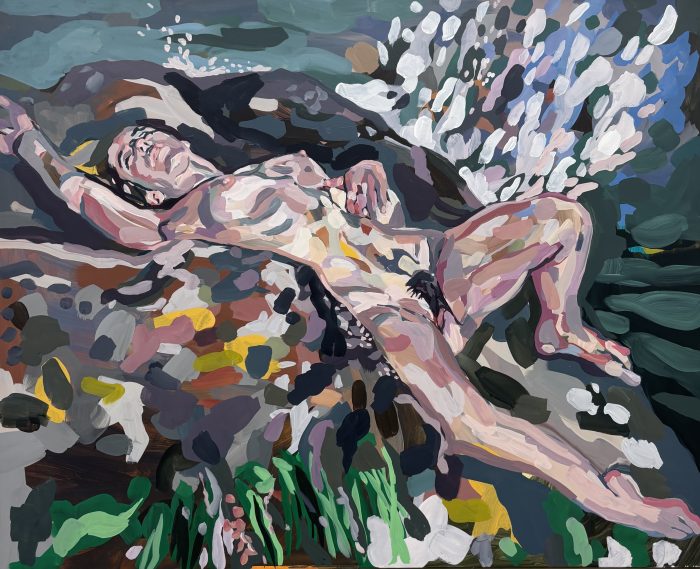
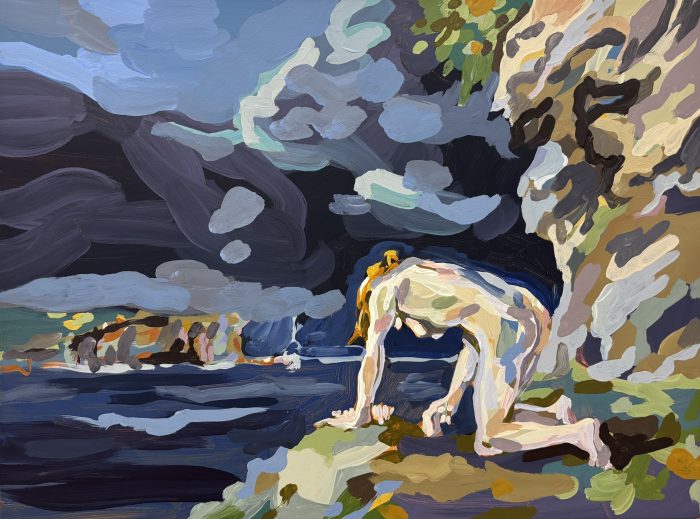
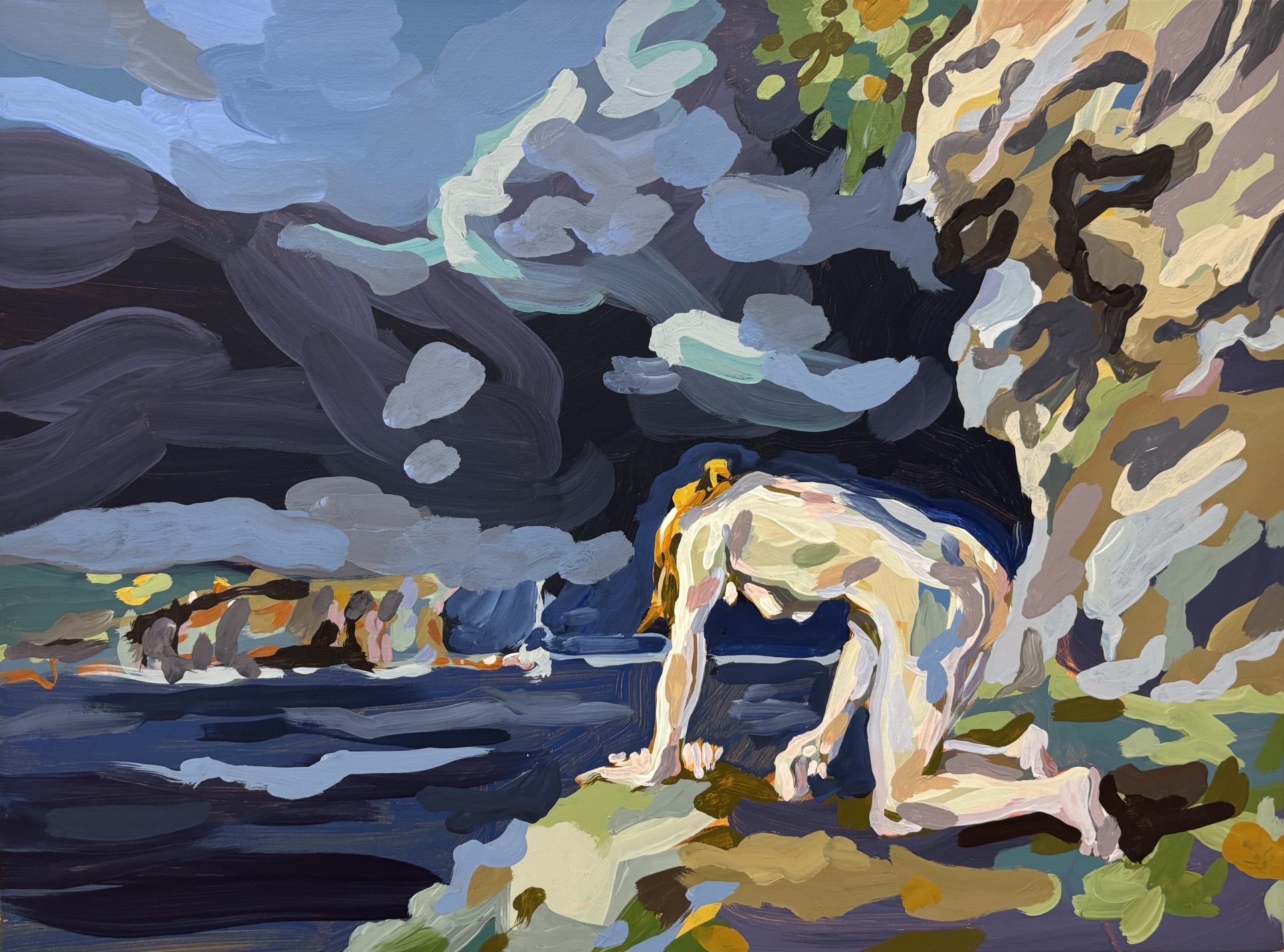
Yet Calypso is an exhibition about rescue. The titular work appropriates a painting in which Calypso rescues Ulysses. Another work draws on Goya’s image of the shipwrecked nude. These gestures suggest not only danger, but salvation.
With kindness and care we can find our way through.